FORT BELVOIR, Va., March 12, 2026 - Amidst a rapidly shifting global landscape and the escalating threat of biological warfare, the Defense Threat Reduction Agency (DTRA) and National Defense University (NDU) convened more than 100 senior leaders from across the national security enterprise to confront this critical challenge. The high-stakes event, held on March 12 at NDU, served as the official rollout of the groundbreaking report:
A Framework for Biological Weapons Deterrence
The gathering brought together a distinguished assembly of senior representatives from the Department of War, the Joint Staff, and the State Department. Ms. Laura Gross, Director of the Global Threat Directorate at DTRA, moderated the panel discussion, guiding a focused dialogue on the strategic necessity of aligning interagency efforts to address the complex and evolving nature of biological threats.
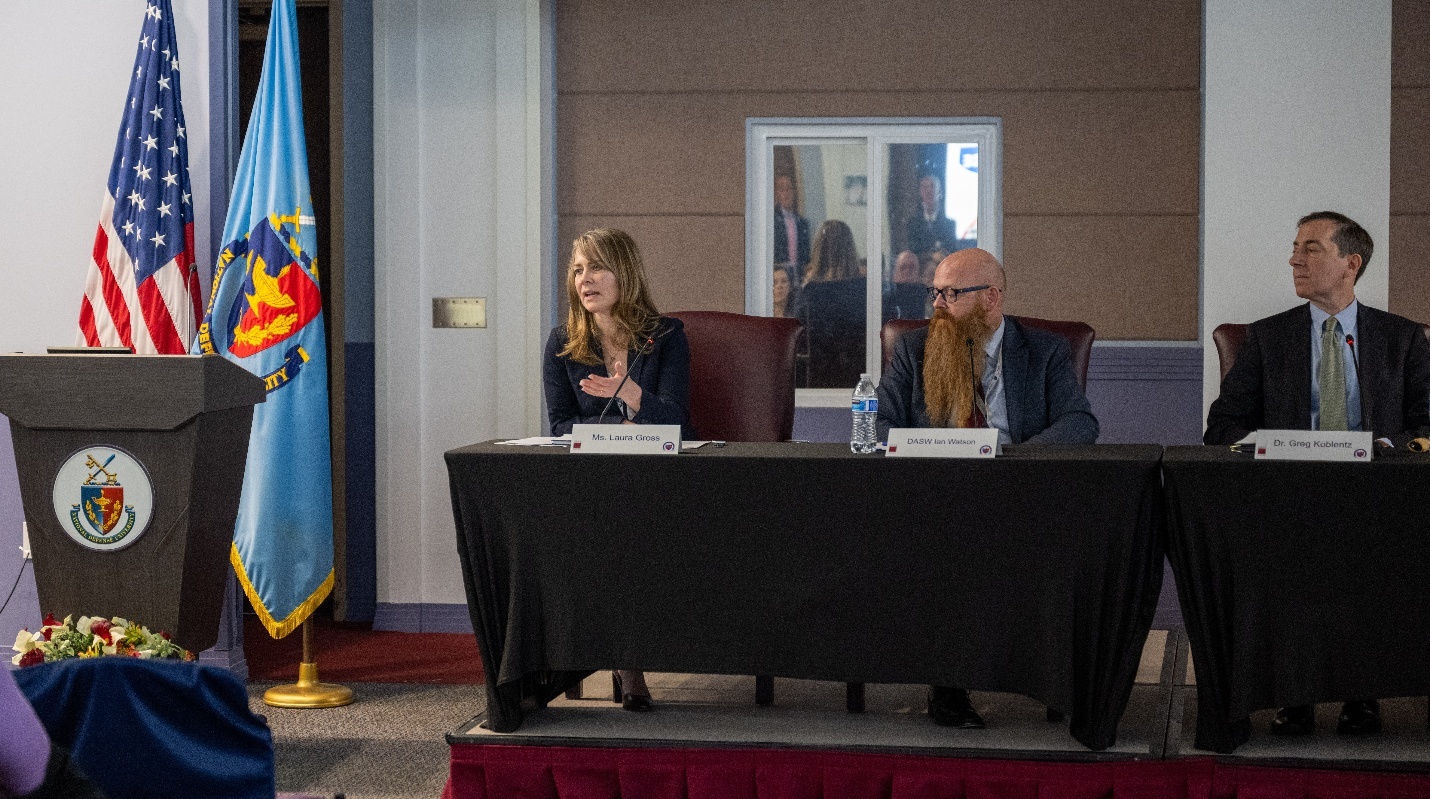 Figure 1: Ms. Laura Gross, DTRA’s Director of Global Threat Directorate, Mr. Ian Watson, Deputy Assistant Secretary of War for Chemical, Biological, Radiological, and Nuclear Defense (DASW/CBRND) and Dr. Greg Koblentz Director of the Biodefense Graduate Program at George Mason University's Schar School of Policy and Government.
A Powerful Keynote on Resolve and Deterrence
Dr. Robert Kadlec, Assistant Secretary of War for Nuclear Deterrence, Chemical, and Biological Defense Policy and Programs, delivered a powerful keynote address. Dr. Kadlec, a leading figure in national biodefense with a career spanning over three decades in military medicine, special operations, and senior government roles, offered a clear-eyed assessment of the current threat environment.
In his remarks, Dr. Kadlec emphasized the urgency of the moment. He stated, “It is an international imperative to make clear that those who employ biological weapons will regret their choice.” His words underscored a central theme of the event: the need for a credible and potent response posture. Dr. Kadlec’s experience—which includes leading the creation of Operation Warp Speed and serving in key biodefense positions at the White House and in the U.S. Senate—added significant weight to his call for action.
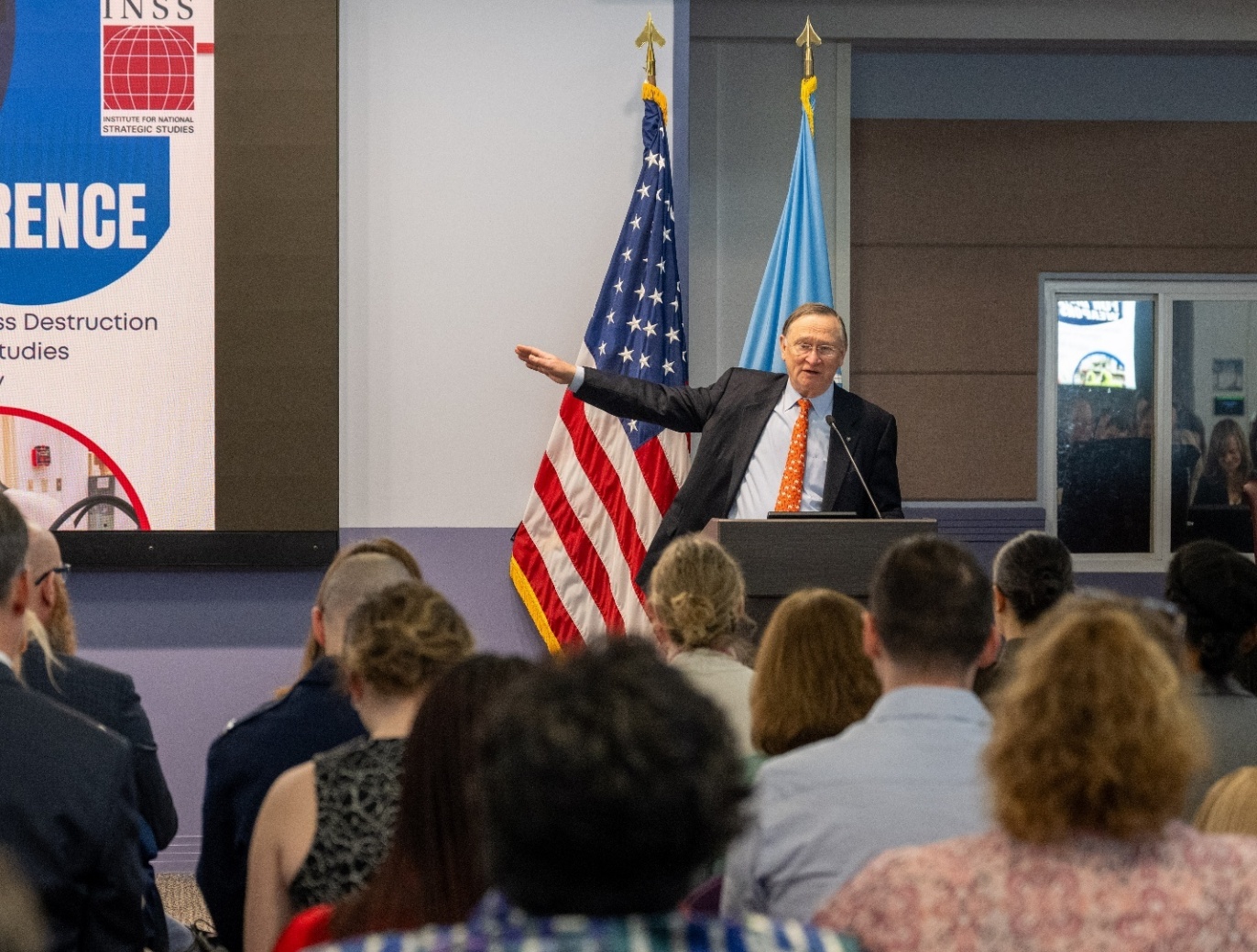 Figure 2: The Honorable Robert Kadlec, Assistant Secretary of War for Nuclear Deterrence, Chemical, and Biological Defense Policy and Programs presented the official rollout of the Framework for Biological Weapons Deterrence report.
The "Denial Defense": A Coordinated Posture
The core of the panel’s focus was the concept of a "denial defense." This strategic approach aims to create a coordinated, whole-of-government posture that convinces any potential adversary that the use of biological weapons will fail to achieve any strategic advantage. By synchronizing the capabilities and authorities of the Department of War, Joint Staff, and State Department, the United States seeks to build a seamless shield that deters attack by demonstrating its futility.
The discussion explored how current interagency initiatives can be integrated to realize this coherent defense. Leaders delved into the practicalities of making deterrence operational, moving beyond theoretical models to a unified reality.
Adapting at Speed
As the Deputy Assistant Secretary of Defense for Chemical and Biological Defense, Ian Watson emphasized that technological advancements and strategic competition have made chemical and biological threats increasingly dangerous and attractive to adversaries. To counter this evolution, he advocates for an urgent, high-speed approach to defense that prioritizes the rapid delivery of operationally relevant capabilities to outpace threats, increase decision space, and restore combat power.
Three Pillars of Biodeterrence
The Framework for Biological Weapons Deterrence report translates these concepts into a campaign plan structured around three functional pillars:
- Prepare & Mitigate: Raising the "Biodeterrence IQ" of the Joint Force and partners through expanded training, education, and the use of advanced biosurveillance information platforms.
- Threat Reduction: Leveraging programs like the Cooperative Threat Reduction (CTR) to limit adversary access to pathogens and expertise, while securing vulnerable data against cyber exploitation.
- Attribute & Hold Accountable: Utilizing advanced, AI-enabled attribution capabilities and strong interagency partnerships to eliminate the shield of anonymity for both state and non-state actors who would use biological weapons.
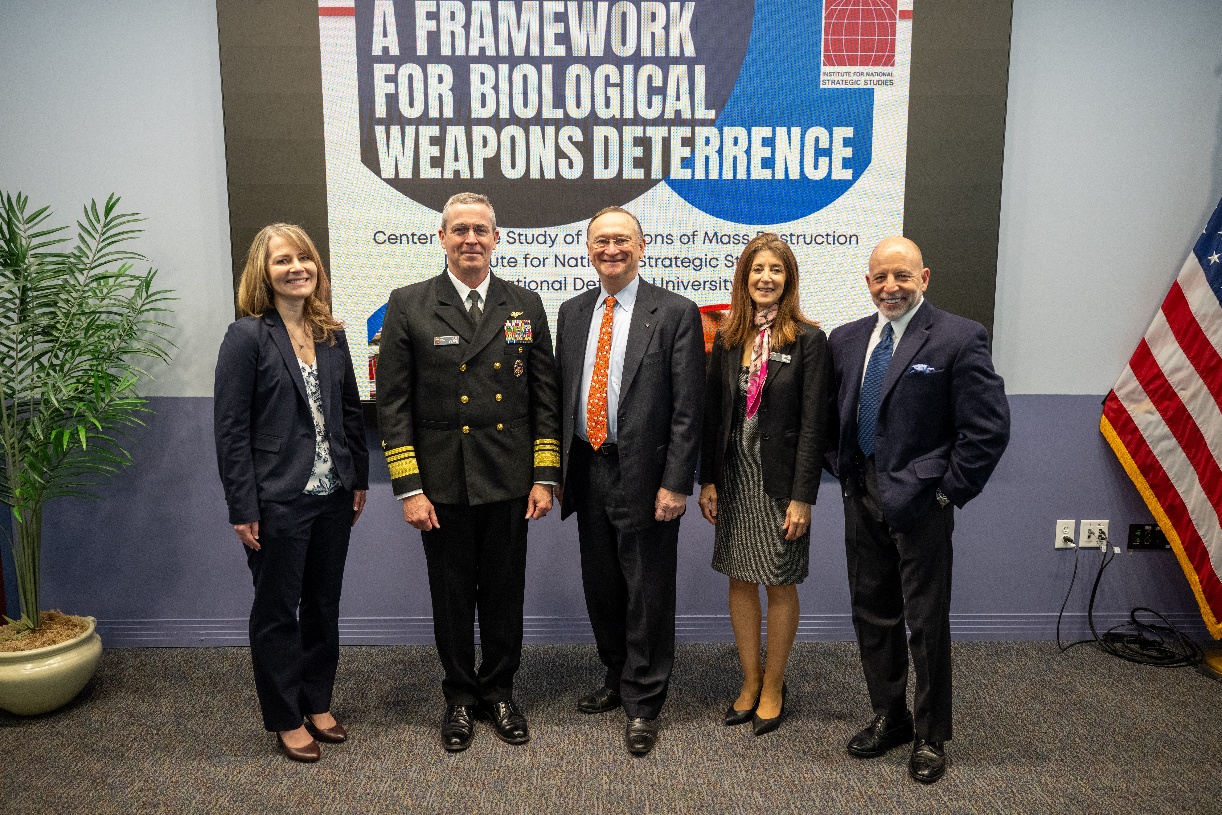 Figure 3: Ms. Laura Gross, Director of the Global Threat Reduction Directorate (DTRA), Vice Admiral Peter Garvin, 18th President of the National Defense University, Honorable Robert Kadlec, Assistant Secretary of War for Nuclear Deterrence, Chemical, and Biological Defense, Policy and Program, The Honorable Denise Natali, Director, INSS and Dr. James Giordano, Center Director – Biotechnology and AI, NDU College of Information and Cyberspace.
A Holistic Strategy for a Non-Theoretical Threat
The dialogue at NDU underscored that the threat of biological warfare is no longer a theoretical exercise but a pressing operational necessity requiring an immediate, unified response. By marrying robust technical capabilities with unyielding strategic resolve, and by fostering seamless interagency cooperation, the United States is moving from a reactive to a proactive posture.
As the event concluded, the consensus was clear: the goal is to ensure that the U.S. is never left vulnerable to biological blackmail and that the weaponization of biology is viewed by any adversary as strategically futile.
For more information on DTRA’s mission to deter, prevent, and prevail against WMD and emerging threats, visit dtra.mil.